


OPEN CALLS
Call for Applications: Residency Programme in Gotland – Preparing for the 2028 Gothenburg Book Fair
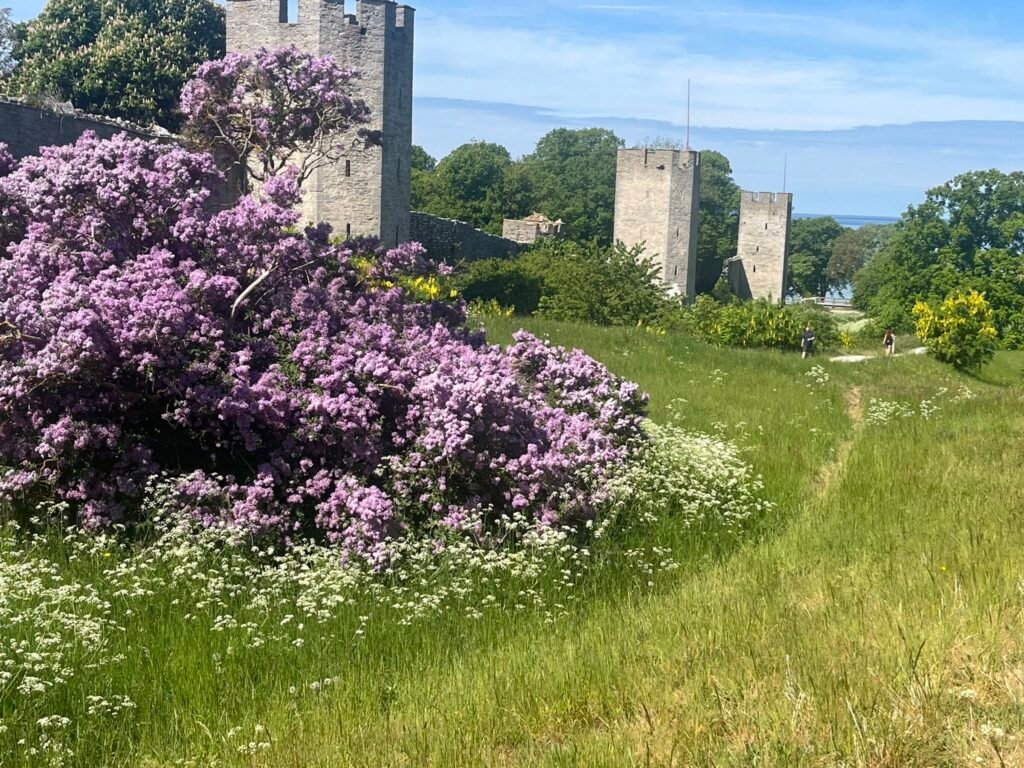
The Swedish-Lithuanian Cooperation Fund has awarded a special grant to the Baltic Centre for Writers and Translators (BCWT) in Visby. This initiative aims to enhance the international visibility of Lithuanian literature in anticipation of 2028, when Lithuania will be the Guest of Honour at the Gothenburg Book Fair.
To ensure a wealth of high-quality translations and the successful presentation of Lithuanian authors, the Fund has launched a three-year programme providing translators with the opportunity to undertake creative work on the island of Gotland.
Residency Location:
The Baltic Centre for Writers and Translators (BCWT), Visby, Gotland.
Period:
2026, 2027 and 2028.
Scope:
Four candidates will be selected annually for a four-week residency.
Funding:
An annual grant of 100,000 SEK has been allocated to the programme (totalling 300,000 SEK over three years).
Further Information:
Full details are available on the websites of the BCWT and the Swedish-Lithuanian Cooperation Fund.
__________________________________________________________________________________________________________
Vilnius UNESCO City of Literature Creative Residency
Jacques Fux (Brazil)
1–31 December 2025
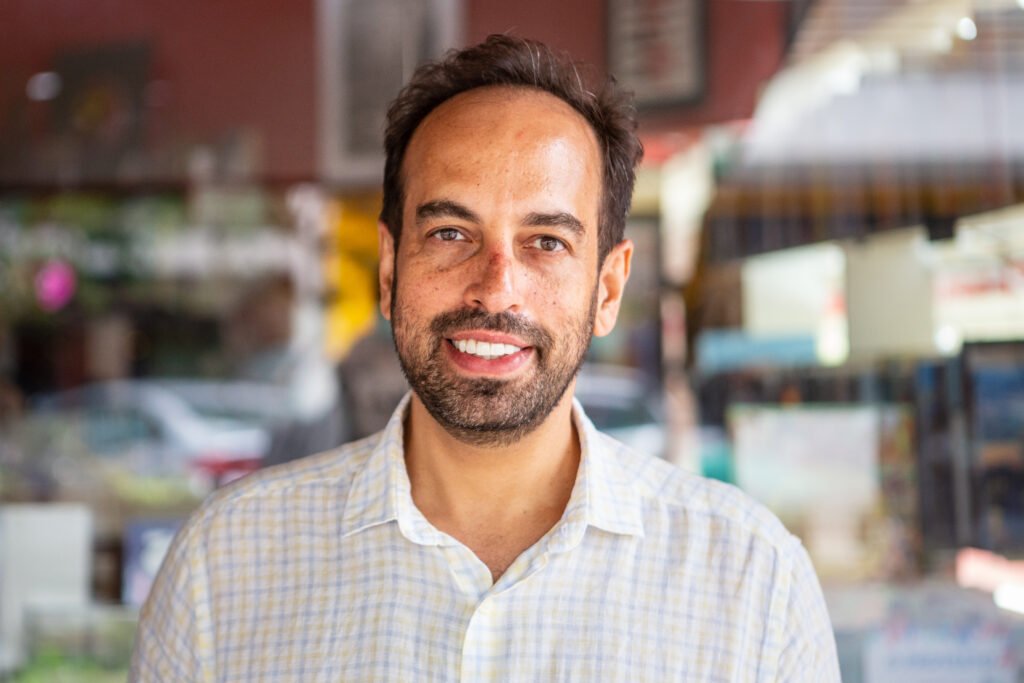
In December 2025, the Brazilian writer Jacques Fux participated in the Vilnius UNESCO City of Literature creative residency programme.
Jacques gained recognition in 2013 when he won the São Paulo Prize for Literature for his debut novel. The writer has a background in mathematics and computer science, and has two doctoral degrees, one in comparative literature and one in French language, culture and literature. He has published 20 books to date, including children’s literature, essays and novels, which have been translated into Italian, Spanish and Hebrew.
Jacques was selected for the residency on the basis of his literary achievements and his proposed project, exploring themes of migration, displaced persons and cultural assimilation, using the case of the Lithuanian-born Brazilian artist Lasar Segall. During his stay in Vilnius, he conducted extensive cultural research, collected material for a book, and participated in events at the Vilnius House of Literature and the Lithuanian Jewish Community Centre.
